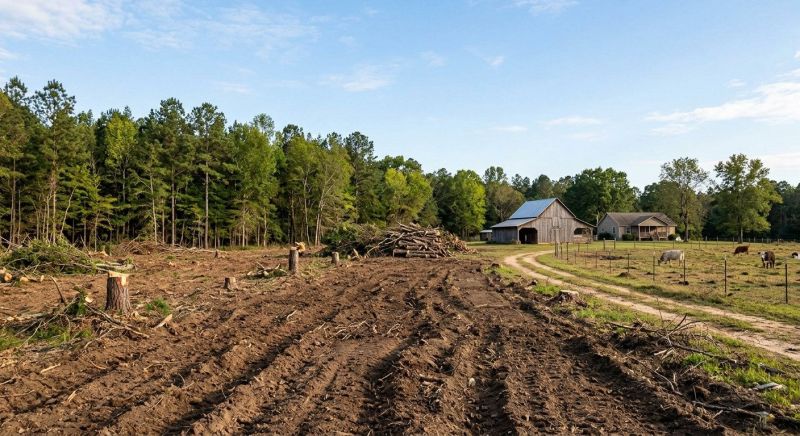
Acreage Clearing in Salt Lake City, UT
Acreage clearing services involve the removal of trees, brush, and other vegetation from large parcels of land to prepare the property for development, farming, or recreational use. This process typically includes tasks such as tree removal, stump grinding, brush clearing, and debris removal, making the land more accessible and easier to manage. Property owners often request acreage clearing when they plan to build new structures, create farmland, or simply want to improve the usability and appearance of their land.
Before requesting acreage clearing, property owners should consider the size of the land, the types of vegetation present, and any local regulations or permits required for land alteration. Understanding the scope of the project and any potential obstacles can help ensure the work proceeds smoothly. Clarifying specific goals, such as maintaining certain trees or minimizing environmental impact, can also guide the clearing process to meet individual property needs.
Many property owners in Salt Lake City, UT look into Acreage Clearing for repairs, replacements, upgrades, and appearance-related improvements.
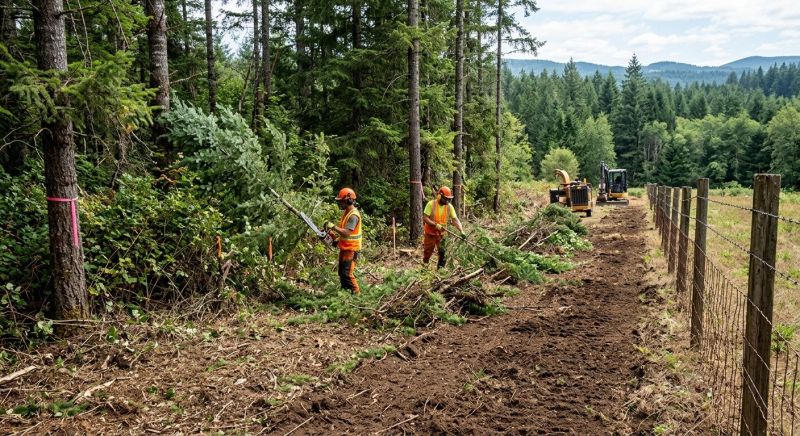
Property Preparation
Acreage clearing helps prepare land for construction, farming, or development projects.
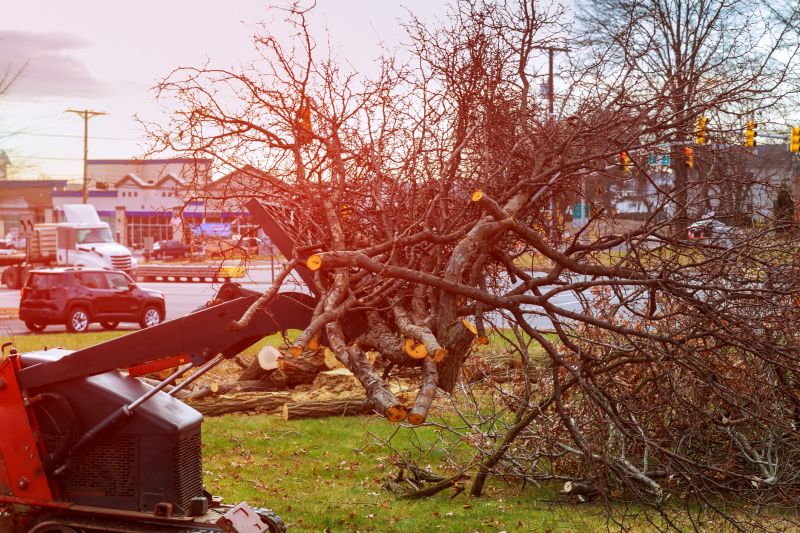
Vegetation Removal
Removing trees, brush, and unwanted growth creates open space and improves land usability.
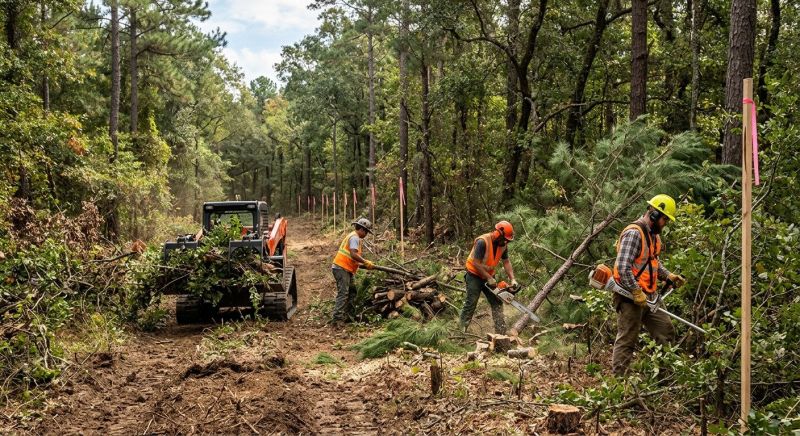
Land Management
Proper clearing ensures safe, accessible, and well-maintained property in salt lake city, ut.
Acreage Clearing in Salt Lake City, UT
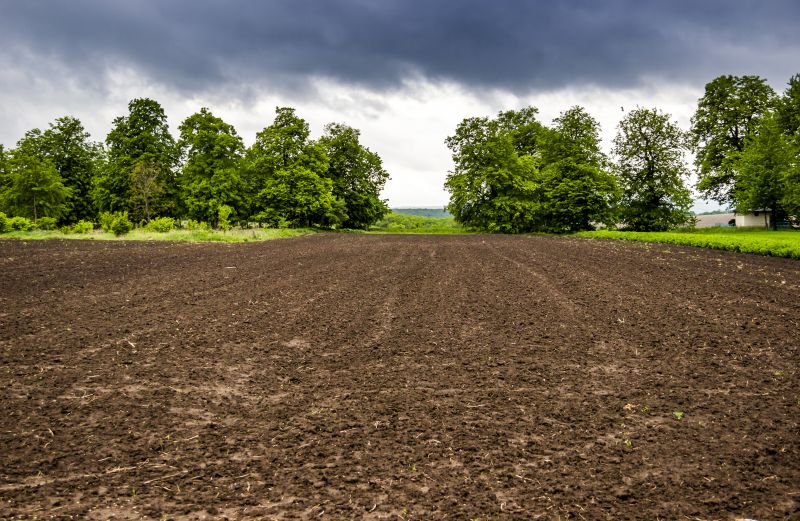
Acreage clearing services involve the removal of trees, brush, and other vegetation from large parcels of land to prepare the property for development, farming, or recreational use. This process typically includes tasks such as tree removal, stump grinding, brush clearing, and debris removal, making the land more accessible and easier to manage. Property owners often request acreage clearing when they plan to build new structures, create farmland, or simply want to improve the usability and appearance of their land.
Before requesting acreage clearing, property owners should consider the size of the land, the types of vegetation present, and any local regulations or permits required for land alteration. Understanding the scope of the project and any potential obstacles can help ensure the work proceeds smoothly. Clarifying specific goals, such as maintaining certain trees or minimizing environmental impact, can also guide the clearing process to meet individual property needs.
Many property owners in Salt Lake City, UT look into Acreage Clearing for repairs, replacements, upgrades, and appearance-related improvements.
Common Acreage Clearing Jobs
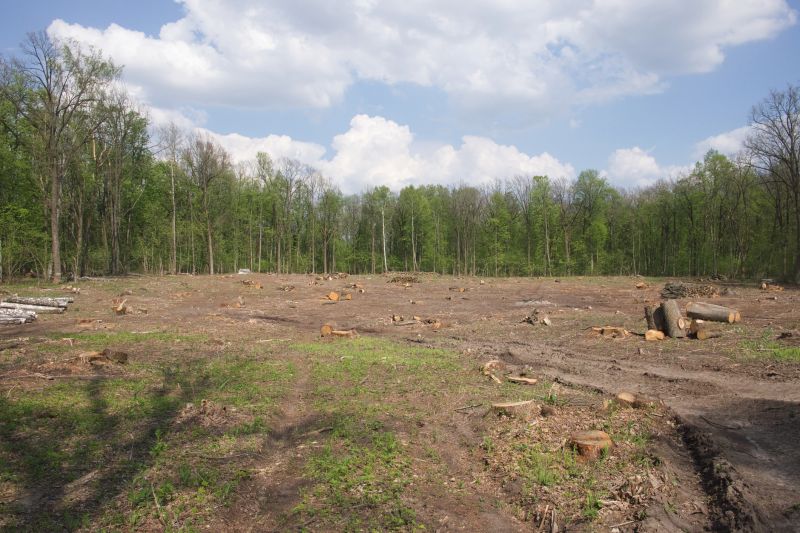
Brush removal - clearing overgrown brush to improve yard appearance and safety.
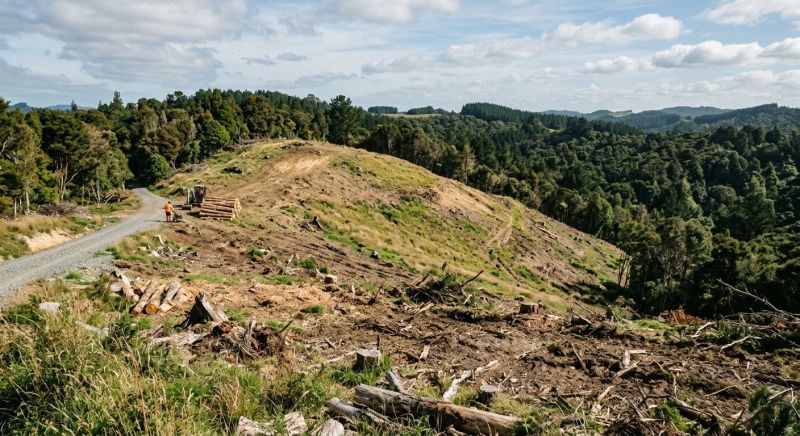
Tree clearing - removing trees to make space for construction or landscaping projects.
Stump grinding - eliminating tree stumps to prevent tripping hazards and allow for new planting.
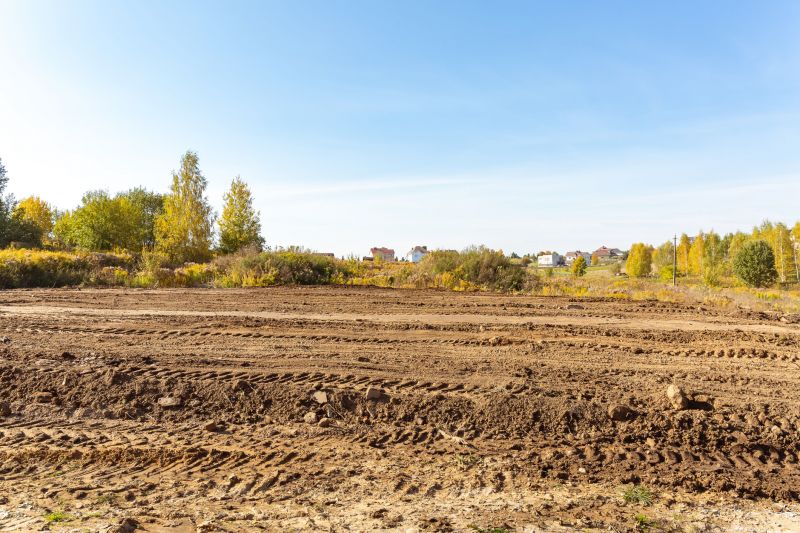
Land leveling - smoothing uneven terrain for better drainage and usable outdoor space.
Old fence removal - clearing out outdated fencing to prepare for replacement or property upgrades.
Debris cleanup - hauling away cleared materials to keep the property tidy and safe.
Acreage Clearing Questions
What types of properties benefit from acreage clearing? Acreage clearing is suitable for residential, agricultural, or commercial properties needing open land for development, farming, or recreational use.
What equipment is used for acreage clearing? Heavy machinery like bulldozers, excavators, and mulchers are typically used to remove trees, brush, and debris efficiently.
Is acreage clearing suitable for overgrown or wooded land? Yes, it effectively removes dense vegetation, trees, and underbrush to prepare land for future use or development.
What should property owners consider before clearing acreage? It's important to assess land conditions, potential permits, and the desired end use to ensure proper planning and execution.
Request Acreage Clearing in Salt Lake City, UT
Use the quote form on this page to share the basics of your project and request more information for the type of work you need.