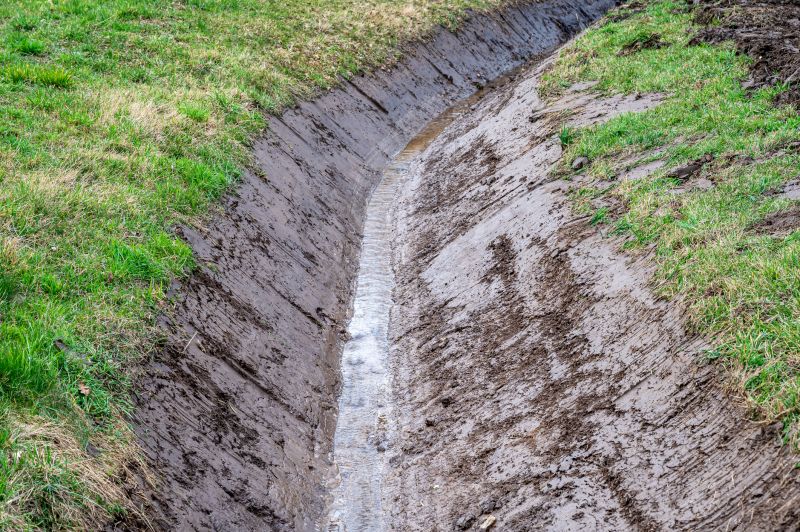
Ditch Installation in Salt Lake City, UT
Ditch installation services involve the construction and placement of trenches or channels designed to manage water flow and drainage around a property. These projects typically include installing drain ditches, French drains, or underground piping systems to prevent flooding, control runoff, or redirect water away from foundations. Property owners often seek this service when dealing with persistent water pooling, soil erosion, or drainage issues that affect the safety and stability of their landscape or structures.
Before requesting ditch installation, property owners should consider the specific drainage challenges present on the site, including the source and flow of water, as well as the desired outcome for water management. Understanding the property's topography, existing drainage systems, and local regulations can help ensure the project meets the needs of the landscape. Clear communication about the scope of work, intended use, and any potential impact on existing features can facilitate a smooth installation process.
Many property owners in Salt Lake City, UT look into Ditch Installation for repairs, replacements, upgrades, and appearance-related improvements.
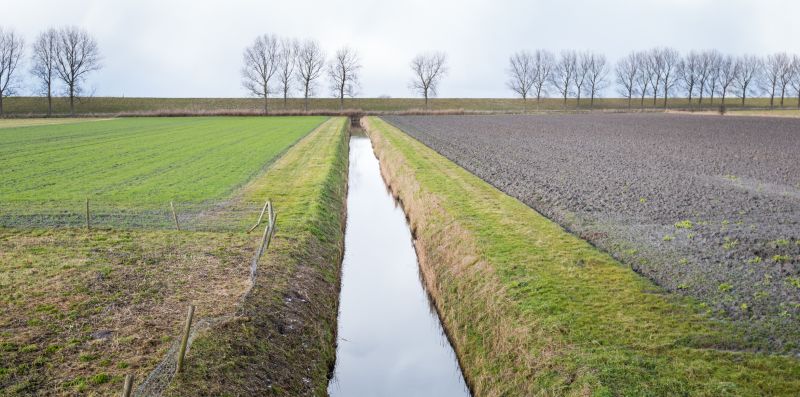
Types Of Ditches
Different ditch styles are suitable for drainage, irrigation, or property management needs.
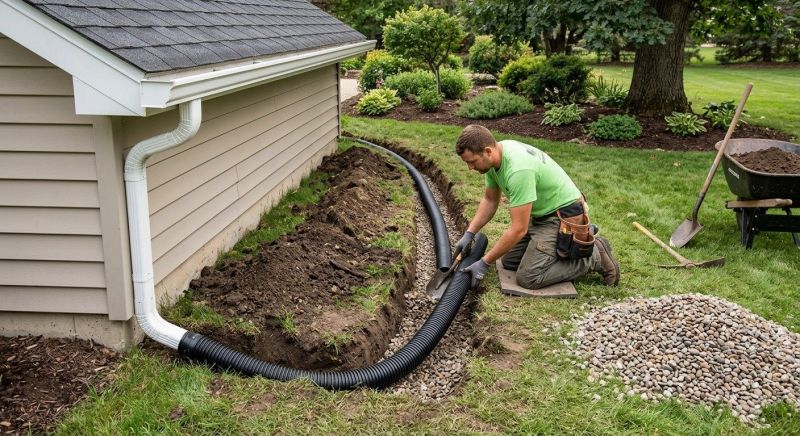
Installation Considerations
Proper planning ensures effective water flow and prevents erosion or flooding issues.
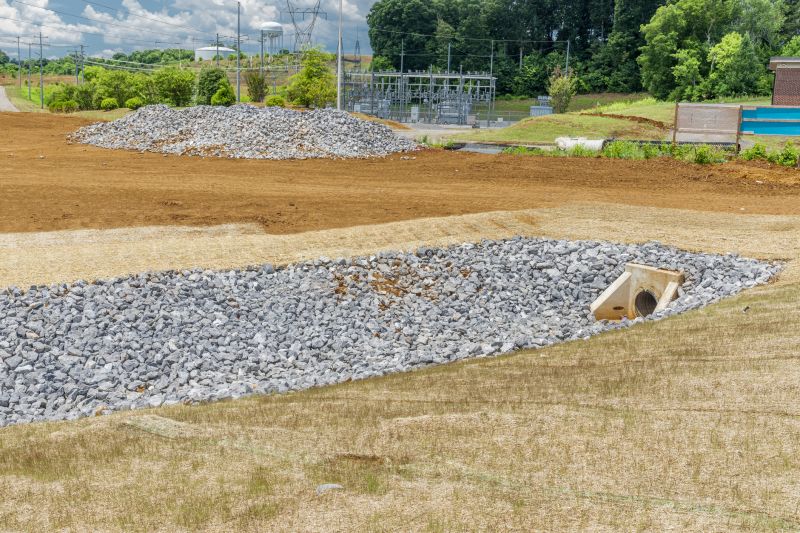
Maintenance Tips
Regular upkeep helps maintain the integrity and functionality of the ditch over time.
Ditch Installation in Salt Lake City, UT
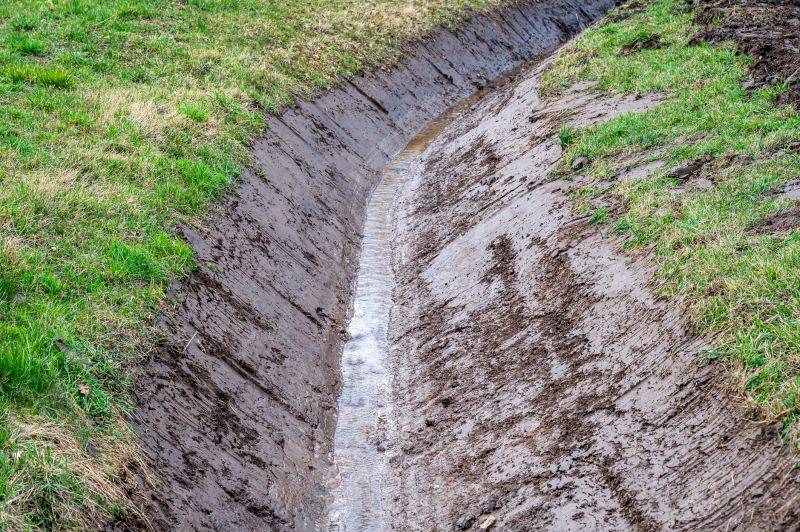
Ditch installation services involve the construction and placement of trenches or channels designed to manage water flow and drainage around a property. These projects typically include installing drain ditches, French drains, or underground piping systems to prevent flooding, control runoff, or redirect water away from foundations. Property owners often seek this service when dealing with persistent water pooling, soil erosion, or drainage issues that affect the safety and stability of their landscape or structures.
Before requesting ditch installation, property owners should consider the specific drainage challenges present on the site, including the source and flow of water, as well as the desired outcome for water management. Understanding the property's topography, existing drainage systems, and local regulations can help ensure the project meets the needs of the landscape. Clear communication about the scope of work, intended use, and any potential impact on existing features can facilitate a smooth installation process.
Many property owners in Salt Lake City, UT look into Ditch Installation for repairs, replacements, upgrades, and appearance-related improvements.
Common Ditch Installation Jobs
Drainage Solutions - Proper ditch installation helps manage surface water flow and prevent flooding.
Erosion Control - Ditches can be designed to reduce soil erosion on sloped properties.
Property Drainage - Installing ditches directs excess water away from foundations and landscaping.
Water Management - Ditches assist in controlling stormwater runoff during heavy rains.
Landscape Support - Properly placed ditches can enhance the functionality of yard grading.
Agricultural Drainage - Ditches improve water distribution and soil health for farming or gardening.
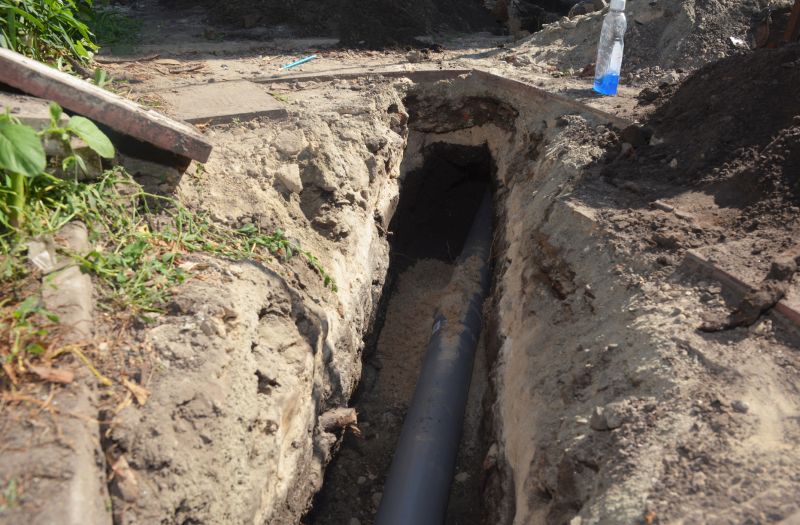
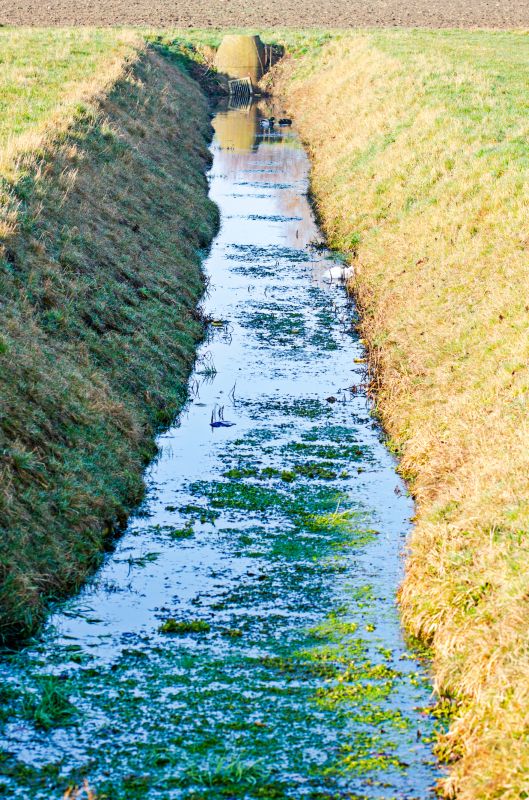
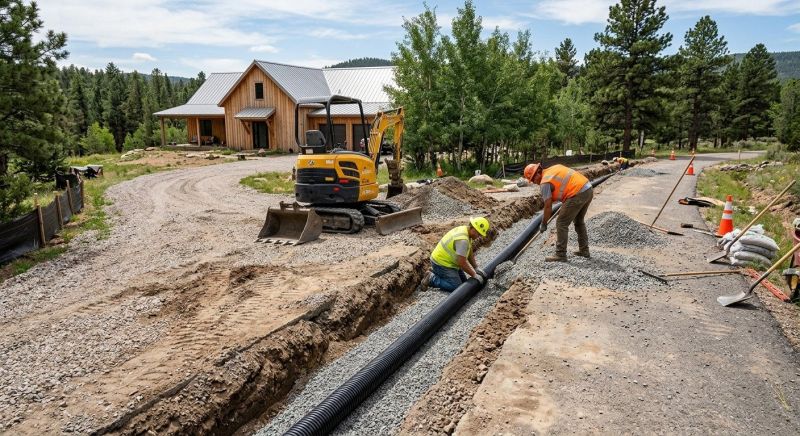
Ditch Installation Questions
What is a ditch installation? Ditch installation involves creating a trench to direct water runoff or manage drainage on a property.
Why might a property need a ditch? Ditches help prevent flooding, control erosion, and improve water flow around a property.
What types of projects require ditch installation? Projects such as yard drainage, irrigation systems, or perimeter water management often need ditch installation.
What should property owners consider before installing a ditch? It's important to assess the land's slope, soil type, and drainage needs to ensure proper placement and function.
Request Ditch Installation in Salt Lake City, UT
Use the quote form on this page to share the basics of your project and request more information for the type of work you need.